Transport = 21.6% of Germany’s GHG emissions; freight logistics alone contribute 33%.
— Lorem ipsum dolor sit amet.
Mobility & Logistics
Sector Challenges
Fleets, internal transport, visitor mobility
Transport and logistics are essential to healthcare delivering medicines, moving patients, supporting staff commutes, and powering hospital supply chains. Yet, these systems come at a high environmental cost. Fossil-fueled fleets, temperature-controlled logistics, and heavy reliance on just-in-time supply models drive up emissions and waste resources.
Hospitals in dense urban areas add to congestion and local air pollution through patient and staff traffic, while rural regions often depend on inefficient long-distance transport. The result is a hidden but significant carbon footprint. In fact, freight and logistics alone make up one-third of transport sector emissions, a burden healthcare cannot ignore.
Examples of Tech
Route optimization, e-mobility, tracking systems
The sector is ready for transformation. Electrifying fleets like ambulances, delivery vans, and service vehicles can cut emissions and improve air quality where smarter logistics, powered by AI and digital route optimization, reduce wasted journeys and costs.
Green warehousing and real-time tracking systems ensure that medicines, samples, and equipment move efficiently while lowering carbon intensity. Cross-clinic collaborations, shared transport services, and even drones or mobile health units in rural areas all offer pathways to smarter, leaner, and more sustainable mobility, with the right pilots, healthcare logistics can become a driver of both efficiency and decarbonization.
These use cases are already showing
what’s possible.
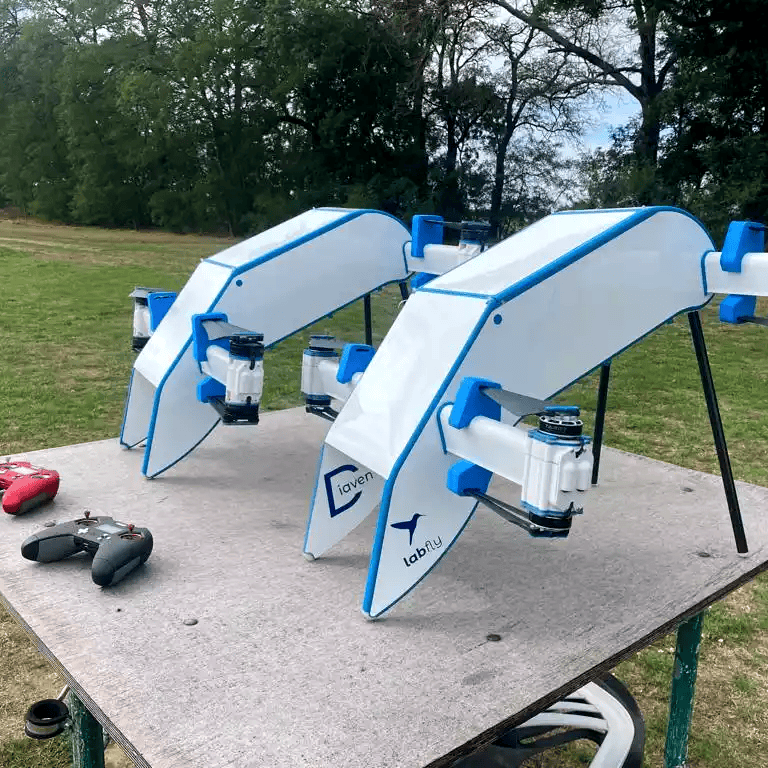
Labfly operates Europe’s first fully licensed BVLOS drone logistics for medical goods. Its electric drones deliver lab samples and medications faster, safer, and with up to 96% less CO₂.
Caritas (Paderborn): By switching to electric cars and e-bikes, and installing over one hundred charging stations, Caritas cut operating costs by 40% and slashed fleet emissions, showing how green mobility makes care services more sustainable and community-friendly.
University Medical Centers (Essen, Hamburg, Frankfurt): Piloting electrified fleets and holistic hospital mobility plans to reduce traffic, emissions, and staff commuting footprints.
These examples highlight that innovation is possible at both regional and institutional levels, from major distribution hubs to day-to-day hospital transport operations.